



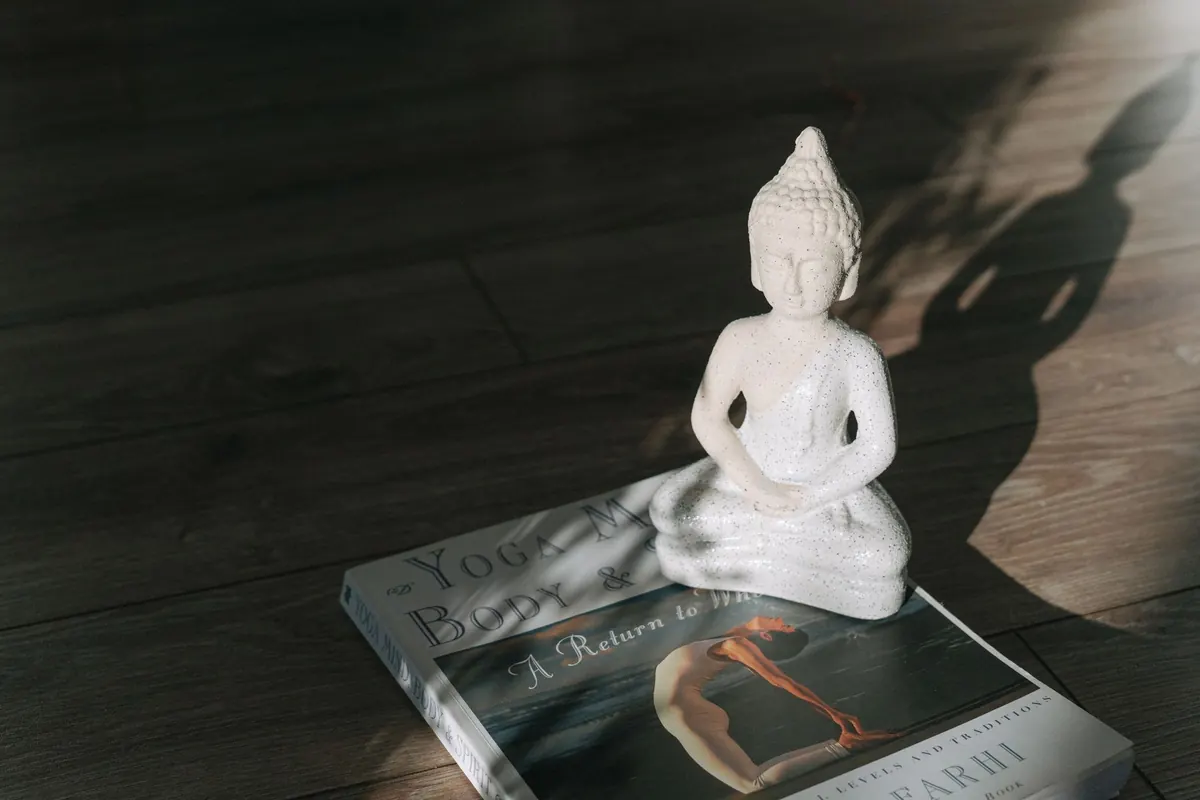


How to Stay Grounded Through a British Winter: A Seasonal Wellness Guide
By the second week of January, the sparkle has gone and the sky seems to sit about three feet above the rooftops. The Christmas lights are packed away, the days are still short, and the walk home from the bus stop happens in the dark. Staying grounded through a British winter isn't about forcing yourself to feel energetic and cheerful. It's about a few small, repeatable habits that keep you steady when the light is thin and the evenings are long.
Winter here has its own texture: damp cold rather than crisp snow, grey skies, early dusk and a lot of time indoors. Work with that reality instead of waiting for it to pass.
Get Your Light Early
Daylight is the strongest signal your body has for knowing what time it is. In a British December, sunrise can arrive close to eight in the morning and sunset before four, which makes daylight a limited resource. If you wait until you feel like going outside, you may miss the best of it entirely.
Get outside within an hour of waking if you can. Ten minutes counts: a walk to the shop for milk, a turn around the garden with a mug of tea, standing on the doorstep while the kettle boils. Then aim for a second dose at midday, when the light is strongest, even if the sky is flat grey — overcast daylight still beats most indoor lighting.
Indoors, open the curtains the moment you get up rather than an hour later, and move your usual chair nearer the window. A bright lamp on a timer can make the first hour of the morning feel less like the middle of the night. If you work from home, try not to spend the whole day in the darkest corner of the house. Sit facing the window, even if the view is only a wet street and a wheelie bin.
Keep a Loose Rhythm, Not a Regime
Ambition and January are a poor match. Long, punishing routines tend to collapse by the second week, and the collapse feels worse than never having started. A loose rhythm is easier to keep. Think of it as scaffolding rather than a personality overhaul.
Three anchors do most of the work:
- A steady wake time. Within an hour of the same time each day, weekends included. It matters more than a perfect bedtime.
- One thing before screens. Kettle on, curtains open, five minutes of stretching, a few pages of a book.
- A wind-down hour. Lights lower, screens away, something dull and pleasant. Keep the bedroom cool and dark.
Keep coffee before early afternoon if you can. It lingers longer than it feels like it does, and a winter evening is the worst time to be lying awake. Alcohol is another quiet saboteur: a glass of wine may feel like warmth, but it fragments sleep and makes the next dark morning heavier. Try a smaller glass, earlier in the evening, with a large glass of water alongside it.
Warmth and Movement for Damp Days
British cold gets into the bones because it is often wet cold, and many of us live in houses that never quite warm through. Deal with the practical side first, because comfort makes everything else easier.
Wool socks, a decent jumper, a blanket where you sit, a hot water bottle before bed. If the heating goes off at ten, keep a throw within reach. These are not indulgences in January; they are maintenance. A draught excluder, a hot bath, and a pair of slippers can change the whole mood of an evening.
Then move — just enough to keep the blood going round. Stand up every hour. Take the stairs twice instead of once. Put the kettle on and tidy one surface while it boils. A brisk twenty-minute walk at midday does more for your mood and sleep than a heroic gym session you dread. If it is raining sideways, walk indoors: laps of a shopping centre, a museum, or your own hallway while listening to a podcast. The point is not fitness; it is circulation, light, and a change of scene.
If you can manage one strength habit twice a week, keep it almost laughably small. Squats while the kettle boils. Carrying the shopping up the stairs in two trips instead of one. Stretching on the living room floor during the adverts. Small doses of movement are easier to repeat, and repetition is what carries you to March.
Eat and Drink for Steady Energy
Winter hunger often asks for stodge, and there is nothing wrong with a shepherd's pie or a bowl of pasta. But the afternoons can flatten you if every meal is heavy and beige. Aim for warmth plus staying power: porridge with nuts and frozen berries, soup with beans or lentils, a baked potato with tuna, root vegetables roasted in a hot oven.
Keep water visible. It is easy to drink far less in winter because you never feel hot or thirsty, but central heating and hot baths dehydrate you quietly. Herbal tea, hot water with lemon, or a flask beside the desk all count. A bowl of fruit on the table does more than a hidden drawer of biscuits, simply because you see it.
Many people in the UK are advised to consider a daily vitamin D supplement in winter, since sunlight is too weak for the skin to make it. If you are unsure, ask a pharmacist. And if you can batch-cook one pot of soup or stew on a Sunday, you have given future you a warm, easy meal on a night when cooking feels impossible.
Keep Company and Lower the Bar
Winter can shrink your world. It is easy to let invitations slide, to leave the group chat on read, to tell yourself you will be more sociable when the days get longer. But connection is grounding. It does not need to be a dinner party. A phone call on the walk home, a coffee with a neighbour, a board game with flatmates, a voice note to a friend who gets it — these small contacts keep you tethered.
Lower the bar for socialising. Meet for a walk instead of a meal. Go for a cup of tea and leave after an hour. Invite someone round to watch something forgettable. The goal is not a sparkling social life; it is reminding yourself that you are part of a world that exists beyond your own front room. If you are struggling, tell one person. You do not have to perform being fine.
You do not have to be bright and busy to be doing winter well. You just have to keep the basics warm.
Make Peace with the Season
There is a version of winter wellness that feels like a second job: cold plunges, sunrise runs, journals, supplements, perfect sleep. Ignore it. The aim is not to conquer winter but to move through it with your health and humour mostly intact. Some days will be slow and grey. That is not failure; that is January.
Notice the small pleasures that only winter offers: the smell of rain on cold pavement, a hot bath when your feet are frozen, the first daffodils in the supermarket, a clear frosty morning when the sky is actually blue. Spring will come, but you do not have to wait for it to feel steady.
Pick two or three things from this guide and start tonight. Open the curtains before you make tea. Put wool socks by the bed. Step outside for ten minutes tomorrow, even if you only stand at the door. A grounded winter is not built from one grand gesture; it is built from ordinary habits, repeated gently, until the light comes back.
Photo: Sunetra / Pixabay